Self Harm Detection
Custodial Safety
Behaviour Monitoring
Mental Health AI
Privacy Aware AI

Prevent Prisoner Self-Harm in Correctional Facilities

Correctional Services / Justice DepartmentsPublic Sector, Corrections
Prevent Prisoner Self Harm In Correctional Facilities
Prevent Prisoner Self-Harm in Correctional Facilities - Public Sector, Corrections case study for Correctional Services / Justice Departments

Key Results

  • Reduced Incidents
  • Faster Intervention
  • Improved Inmate Safety
  • Support for Mental Health Programs
  • Scalability

Project Info

Client
Correctional Services / Justice Departments
Industry
Public Sector, Corrections
Category
Health Care Human Risk Monitoring
Completed

The Challenge

Self-harm and suicide are serious issues in correctional facilities, where mental health problems are common and supervision may be inadequate. Inmates at risk often engage in self-harm undetected, especially in isolated settings. Traditional monitoring methods, such as guard patrols and CCTV, are frequently reactive and fail to prevent incidents
Our Solution

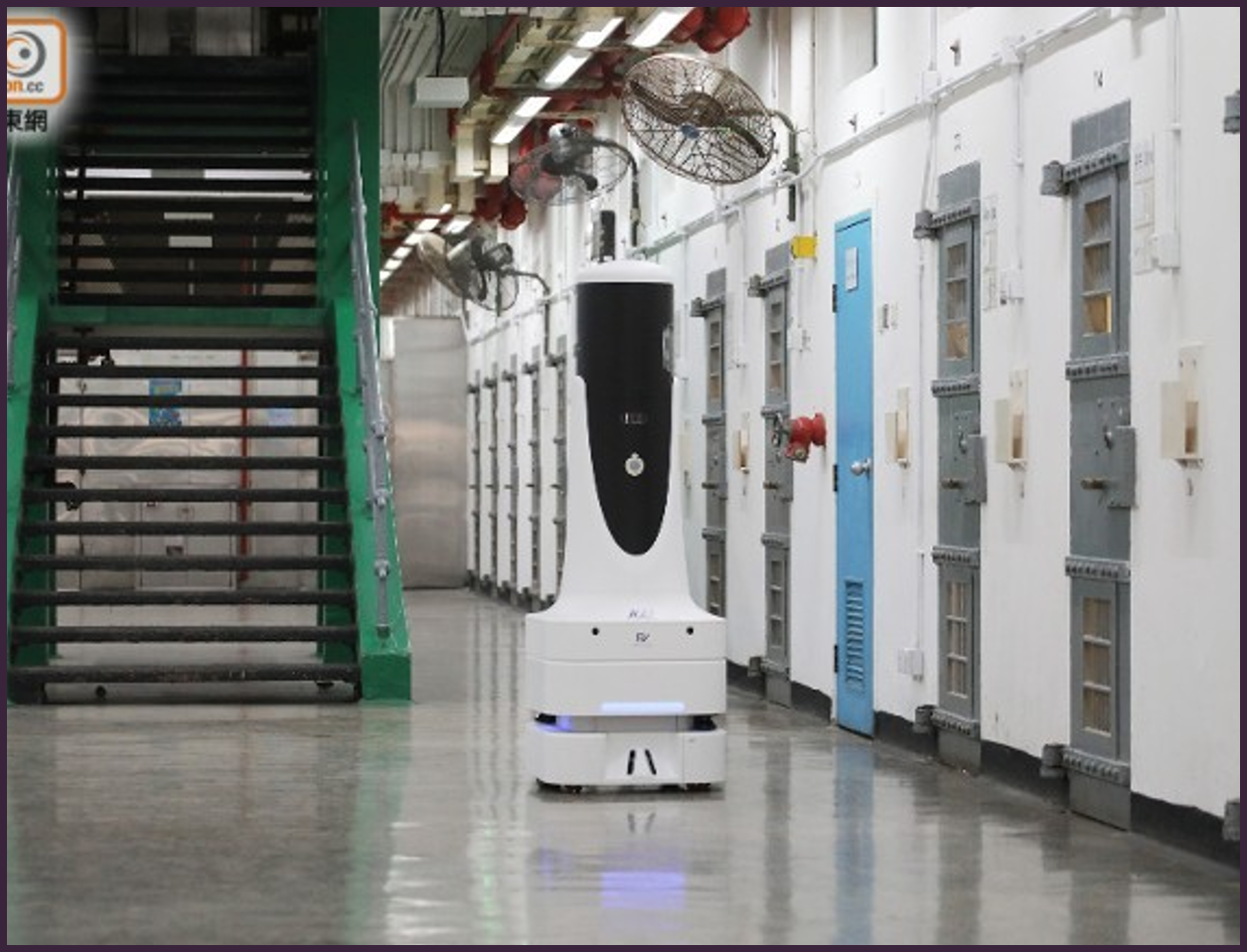
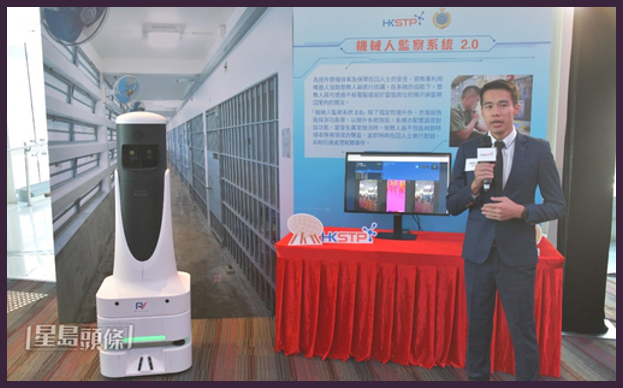
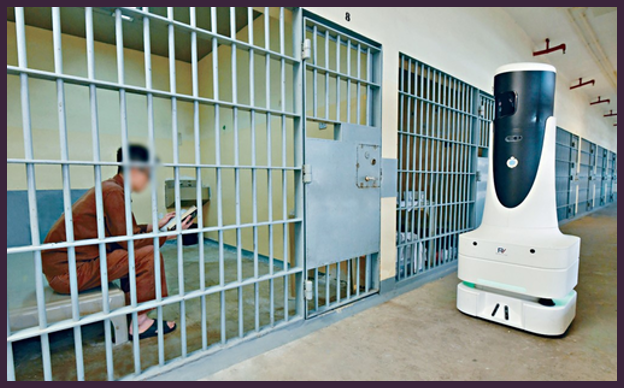
  • Patrol Robot and Edge AI Surveillance: This robot monitors inmate behaviour to detect high-risk actions, such as inactivity, unusual postures, and fire and smoke
  • Automated Alerts: This system sends immediate alerts to staff tablets about potential self-harm behaviour, enabling remote communication with the Persons in Custody
  • Privacy-Conscious Monitoring: Focuses on humane surveillance while ensuring secure data storage
  • Data Collection & Analysis: Logs data to identify trends and support mental health interventions

Project Details

The Goal

This initiative aims to implement a real-time monitoring and alert system to prevent self-harm, ensure the safety of vulnerable inmates, and enhance response times in an automated manner

The Result

  • Reduced Incidents: Early detection decreased self-harm and suicide attempts.
  • Faster Intervention: Real-time alerts enabled quick staff responses, saving lives.
  • Improved Inmate Safety: At-risk individuals received timely care, enhancing their well-being.
  • Support for Mental Health Programs: Behavioural data-informed targeted mental health services.
  • Scalability: Potential for application in other facilities managing vulnerable populations.

Unlock Intelligence for Long-Term Improvement

  • Risk Pattern Recognition: Analysed data to identify and predict incidents.
  • Dynamic Risk Profiling: Inmate risk scores evolved based on behaviour and various stressors.
  • Design Improvements: Data from incidents led to modifications in cell designs to reduce risks.
  • Mental Health Strategy Optimisation: Insights guided resource allocation and intervention programs.
  • Policy Development: Data-informed protocols supported legal compliance and human rights standards.
Prevent Prisoner Self-Harm in Correctional Facilities detail 1
Prevent Prisoner Self-Harm in Correctional Facilities detail 2
Prevent Prisoner Self-Harm in Correctional Facilities detail 3