Fire Detection
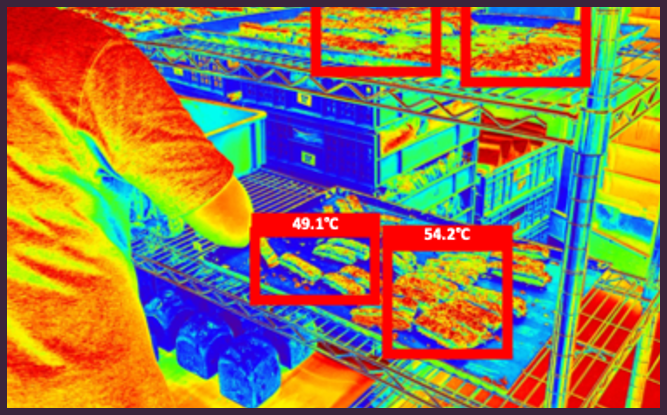
Thermal Imaging
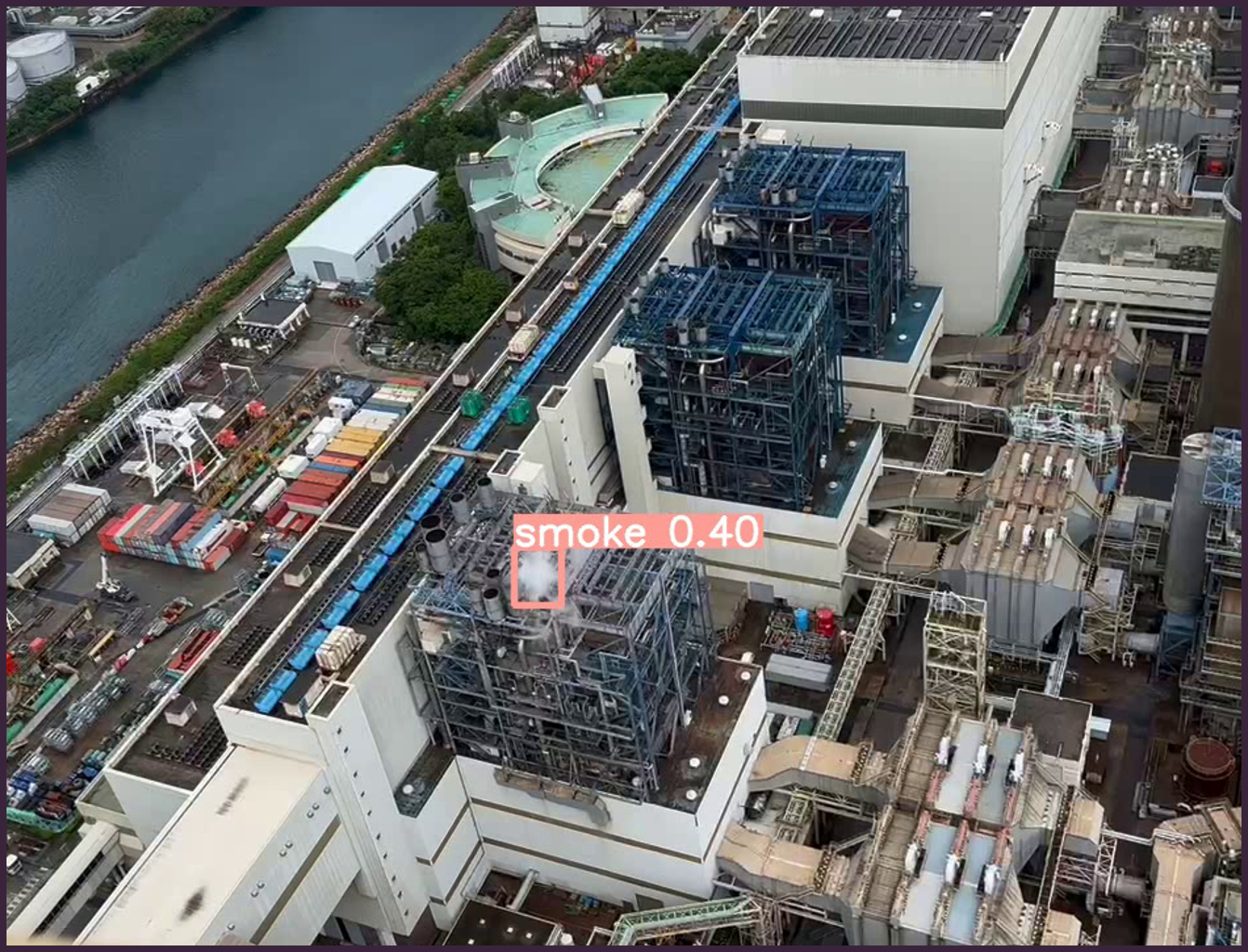
Smoke Detection
Building Safety
Risk Mapping

Smart Fire Detection in Commercial Buildings

Commercial Building OwnersReal Estate, Facilities, Safety
Smart Fire Detection In Commercial Buildings
Smart Fire Detection in Commercial Buildings - Real Estate, Facilities, Safety case study for Commercial Building Owners

Key Results

  • Enhanced Safety
  • Reduced Property Damage
  • Improved Response Time
  • Scalability

Project Info

Client
Commercial Building Owners
Industry
Real Estate, Facilities, Safety
Category
Industrial Safety Quality Compliance
Completed

The Challenge

Electrical faults, overloaded circuits, and kitchen mishaps put commercial buildings at high risk for fires. Traditional detection methods, such as manual inspections and standard smoke detectors, often delay response times, increasing dangers and potential damages
Our Solution

  • AI-Powered Thermal Cameras: Installed to monitor temperature fluctuations in critical areas, providing rapid anomaly detection
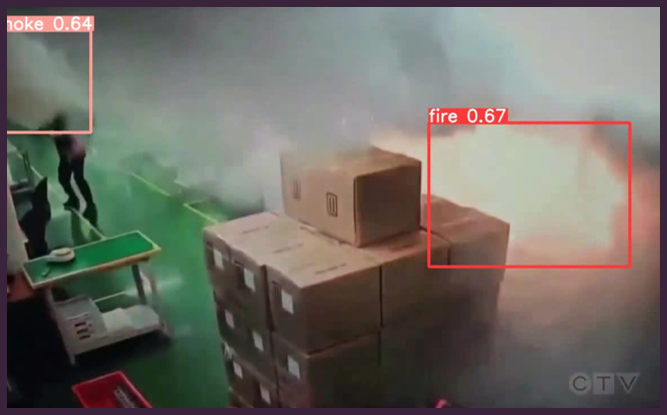
  • Smoke and Gas Sensors: Deployed for early warnings of smoke, gas leaks, and electrical discharges
  • Automated Alerts: Immediate notifications are sent to building managers and emergency responders upon detection of hazards
  • Data Collection & Analysis: Continuous recording of environmental conditions for predictive maintenance

Project Details

The Goal

We are committed to establishing a real-time fire prevention and detection system that enhances safety and minimises damage by proactively identifying potential fire hazards.

The Result

  • Enhanced Safety: Early detection has sharply reduced fire incidents, protecting lives and assets
  • Reduced Property Damage: Proactive monitoring minimises losses and ensures business continuity
  • Improved Response Time: Real-time alerts lead to faster intervention, preventing minor issues from escalating
  • Scalability: The success of this system positions it well for expansion across various commercial properties

Unlock Intelligence for Long-Term Improvement

  • Incident Pattern Analysis: Aggregated sensor data revealed common ignition sources and high-risk zones, guiding preventive maintenance
  • Predictive Risk Mapping: AI models predicted areas at elevated fire risk based on usage patterns, temperature cycles, and environmental trends
  • Design and Layout Optimisation: Data helped redesign layouts to minimise fire spread potential and improve emergency accessibility
  • Workforce Training: Incident logs and heatmaps guided focused staff training and emergency drill refinement
  • Policy and Regulation Alignment: Intelligence supported continuous compliance with fire codes and helped build stronger safety policies
Smart Fire Detection in Commercial Buildings detail 1
Smart Fire Detection in Commercial Buildings detail 2
Smart Fire Detection in Commercial Buildings detail 3