Wildlife Detection
Conservation AI
Public Safety
Risk Zoning
Environmental Analytics

Wildlife Detection & Conservation

Country Park Authorities / Environmental AgenciesEnvironment, Conservation
Wildlife Detection Conservation
Wildlife Detection & Conservation - Environment, Conservation case study for Country Park Authorities / Environmental Agencies

Key Results

  • Enhanced Safety
  • Better Conservation Management
  • Increased Visitor Awareness
  • Scalability

Project Info

Client
Country Park Authorities / Environmental Agencies
Industry
Environment, Conservation
Category
Environmental Wildlife Agricultural Intelligence
Completed

The Challenge

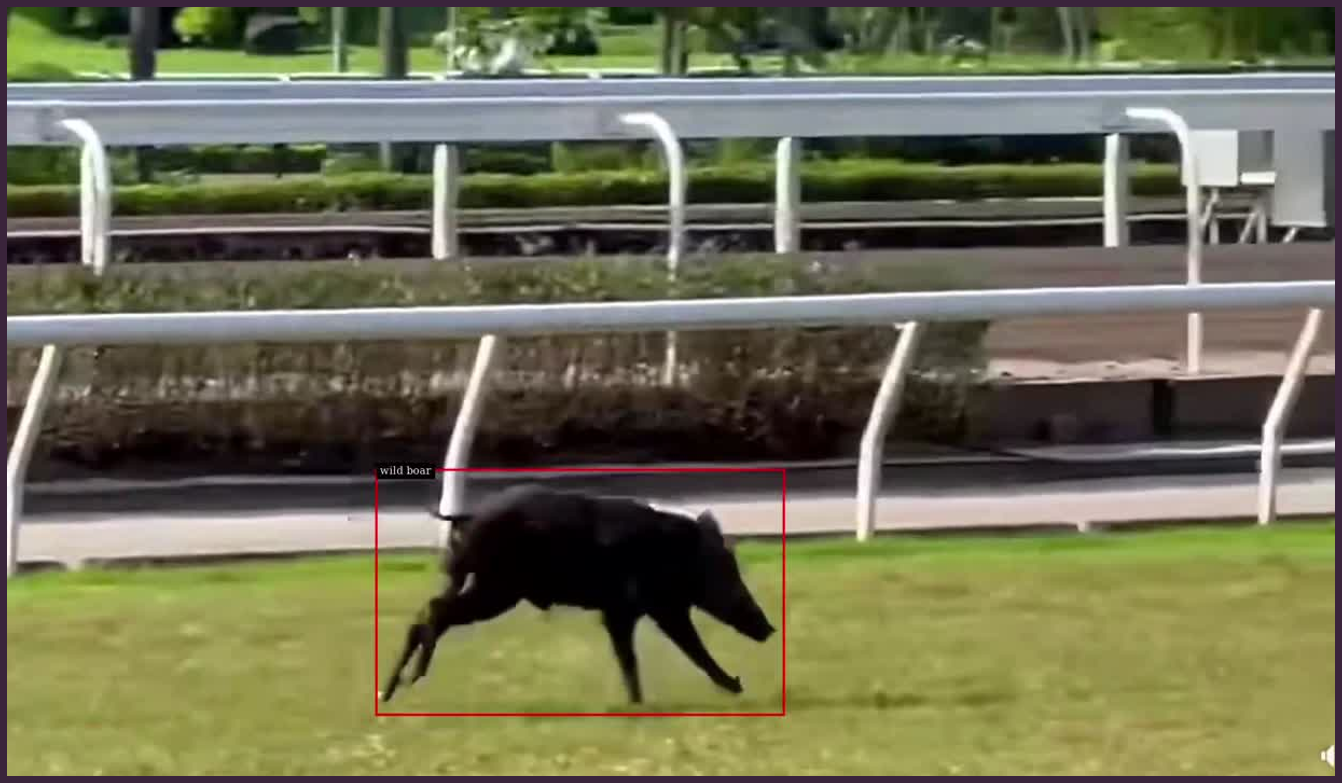
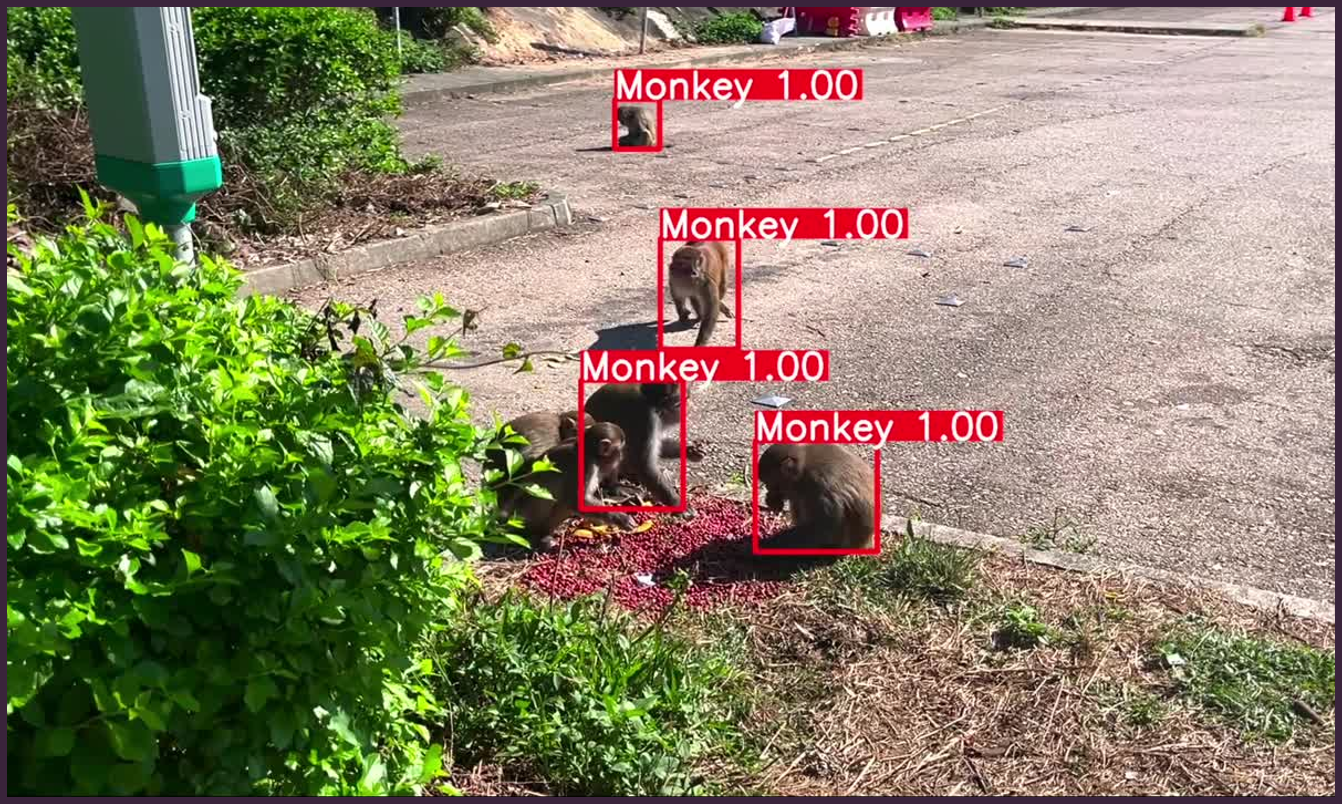
Country parks host diverse wildlife, such as monkeys and boars, leading to increased human-wildlife conflicts, property damage, and safety concerns. Traditional methods, like park rangers, have failed to prevent dangerous encounters
Our Solution

  • AI-powered Cameras: High-resolution cameras with AI image recognition placed in high-risk areas
  • Motion Sensors: Infrared sensors to detect animal movement in low visibility
  • Automated Alerts: Real-time notifications are sent to park authorities and visitors via a mobile app and digital signboards
  • Data Analysis: Continuous tracking of animal movements for informed park management decisions

Project Details

The Goal

Our initiative aims to create a real-time detection and alert system to monitor these wild animals, enhancing public safety, reducing conflicts, and supporting conservation through data collection.

The Result

  • Enhanced Safety: Real-time alerts have significantly lowered the risk of human-wildlife encounters
  • Better Conservation Management: Collected data allows authorities to adjust policies to protect wildlife
  • Increased Visitor Awareness: Alerts educate the public on wildlife interactions, promoting responsible behaviour
  • Scalability: The system's success allows implementation in other parks facing similar wildlife challenges

Unlock Intelligence for Long-Term Improvement

  • Behavioural Mapping: Data analysis revealed common animal movement patterns, peak intrusion times, and migration trends
  • Risk Zoning: Historical heatmaps enabled categorisation of high-risk zones and optimisation of deterrent placements
  • Species Profiling: AI analytics catalogued species types and frequencies, supporting ecological management and policy planning
  • Environmental Correlation: Cross-referencing animal activity with weather or seasonal changes helped refine predictive models
  • Policy and Design Recommendations: Insights guided fencing design, land use planning, and sustainable cohabitation policies
Wildlife Detection & Conservation detail 1
Wildlife Detection & Conservation detail 2